Most crochet toys can be washed. Start with the gentlest method that will do the job: spot clean a small mark with a damp cloth and a drop of mild soap; hand wash a grubby toy by soaking it in cool water with a gentle detergent and squeezing it out; and machine wash only when the yarn and stuffing labels allow it, on a delicate cycle in cold water with the toy in a mesh laundry bag or a pillowcase. Then squeeze out the water, reshape the toy while it is damp and let it air dry completely before anyone plays with it.
Start With the Labels
A crochet toy is only as washable as its least washable part. Before you wash, think about three things:
- The yarn. The care symbols on the ball band are your best guide. Keep a label from every toy you make, or photograph it.
- The stuffing. Polyester fiberfill is usually washable. Fairfield's instructions for Poly-Fil projects are a gentle machine wash in warm water and drying in the air or on a low or air setting.
- Everything else. Glued felt, rattle inserts, wire, pellets and embellishments may not survive a soak.
Here is what some widely sold toy yarns say on their labels:
| Yarn | Fiber | Maker's care advice |
|---|---|---|
| Red Heart Super Saver | 100% acrylic | Machine washable |
| Lion Brand 24/7 Cotton | 100% mercerized cotton | Machine washable |
| Paintbox Yarns Cotton DK | 100% cotton | Machine wash at 40 °C (105 °F); do not tumble dry; do not bleach |
| Bernat Blanket | 100% polyester (plush) | Machine wash on delicate; tumble dry gentle; do not bleach, iron or dry clean |
If you received a toy as a gift and have no label, treat it as hand-wash only.
Spot Cleaning: The First Thing to Try
Most toys need nothing more than this.
- Dampen a clean, light-colored washcloth with water.
- Dab the mark. Do not rub hard; rubbing roughens the surface of the yarn.
- For a stubborn mark, add a little mild soap to the water and dab again.
- Rinse the cloth in clean water and dab once more to lift the soap out.
- Let the area dry in the air.
Spot cleaning is also the safest option for toys with a rattle insert, glued parts or anything else that should not be soaked.
Hand Washing
For a toy that is grubby all over, hand washing is the gentle choice for every fiber.
- Fill a sink or basin with cool water and add a small amount of mild detergent or a wool wash.
- Push the toy under and gently squeeze it a few times so the water runs through the stuffing.
- Let it soak for a little while.
- Drain, refill with clean water and squeeze again. Repeat until no suds appear.
- Press out the water. Squeeze, do not wring or twist, since twisting pulls seams and stretches the stitches.
- Roll the toy in a dry towel and press to soak up more water.
This is the method the plush pattern site Shiny Happy World describes for a full clean of amigurumi, using a wool wash.
Weigh a large toy in your hand before and after pressing it out. If it is still heavy, keep pressing in a fresh towel. The less water left inside, the faster and more evenly it dries.
Machine Washing, With Care
When the yarn and stuffing both allow it, a washing machine saves time, especially for a well-loved toy.
- Put the toy in a mesh laundry bag or a zipped pillowcase. It protects the toy from the drum and keeps small parts from snagging.
- Use a delicate or gentle cycle with cold water. Shiny Happy World suggests a delicate cycle with cold water for machine washing amigurumi.
- Use a mild detergent. Skip bleach and fabric softener.
- Wash it with a few towels for balance in the drum.
Wool yarn can felt with heat and agitation. Shiny Happy World notes that a stuffed toy felts less than loose fabric, because the stuffing holds it in shape, but some felting can still happen. If a toy is wool or a wool blend, hand wash it in cool water.
Plush and velvet yarns need extra care. Bernat Blanket can go in the machine on a delicate cycle, but one designer who works with Bernat Velvet recommends hand washing and drying flat, because machine washing can pull loops out of the fabric.
Drying Without Losing Shape
Drying is where toys most often get misshapen.
- Reshape while damp. Push the head round, straighten the ears and limbs, and press any lumps of stuffing smooth with your fingertips.
- Air dry on a towel or a rack in a well-ventilated spot, away from direct heat. Turn the toy every few hours so all sides dry.
- Be patient. A firmly stuffed toy dries slowly from the inside. Squeeze the center before you declare it dry: damp stuffing left inside can smell musty.
- Use a dryer only if every label allows it, and only on the lowest setting. Acrylic can be permanently softened by heat, and the Paintbox cotton label above says no tumble drying at all.
Never put a toy on a radiator or use a hair dryer on high heat to speed it up. The stuffing inside will stay damp while the surface overheats.
Refreshing Flat or Lumpy Stuffing
After washing or long use, stuffing can shift, flatten or clump. Fairfield notes that fiber may shift during laundering and suggests gently massaging the project with your fingertips to move it back into place. That fixes most lumps.
If a toy has really gone flat:
- Find the closing round, often at the bottom of the body or the back of the head.
- Snip and pull out only the yarn used to close it, not the crochet stitches.
- Pull out the old stuffing, fluff it or replace it, and restuff as described in how to stuff and assemble amigurumi.
- Close the round again through the front loops and hide the end.
Checking the Toy After Every Wash
Washing and drying are a good moment for a safety check, especially on a toy that belongs to a child.
- Tug every part: ears, arms, legs, tail. Re-sew anything that moves at the seam.
- Check the eyes. Make sure safety eyes are still firm and embroidered eyes have not loosened.
- Look at the closing round and the magic ring at the top of the head for any gap.
- Look for thin or broken stitches, especially where a child chews or holds the toy.
If a part is coming loose on a toy for a baby, mend it before the toy goes back. Safety eyes and toy safety explains why loose parts matter so much for children under 3.
Plan for Washing When You Make the Toy
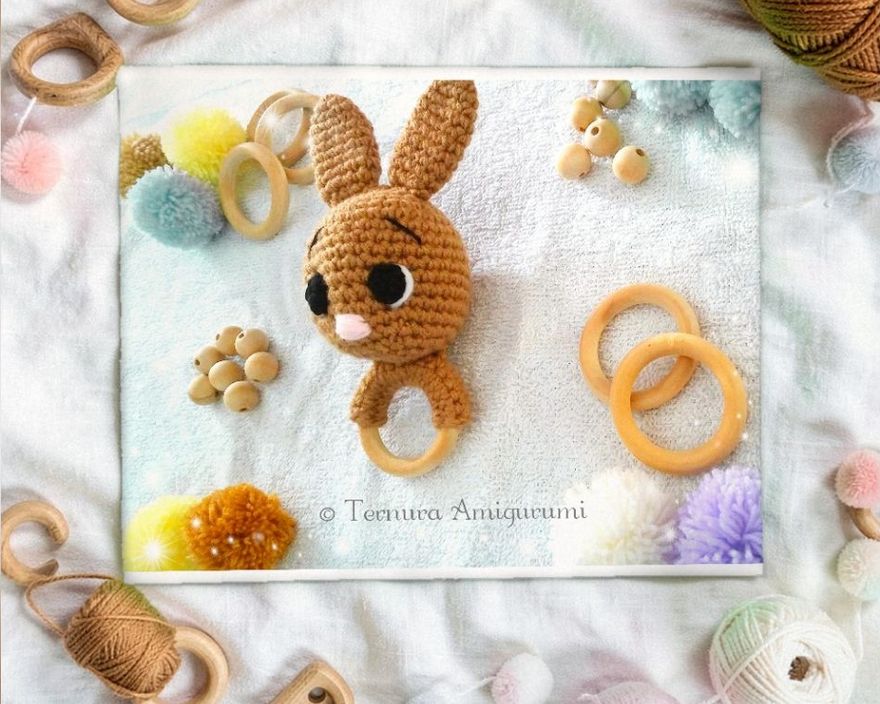
The easiest toy to clean is one that was made to be cleaned. If you are making something for a baby or a toddler, choose a machine-washable yarn, stuff it with washable polyester fiberfill, embroider the face and sew on every part. Baby loveys and rattles are the toys that need this most, since they will be chewed and dropped often.

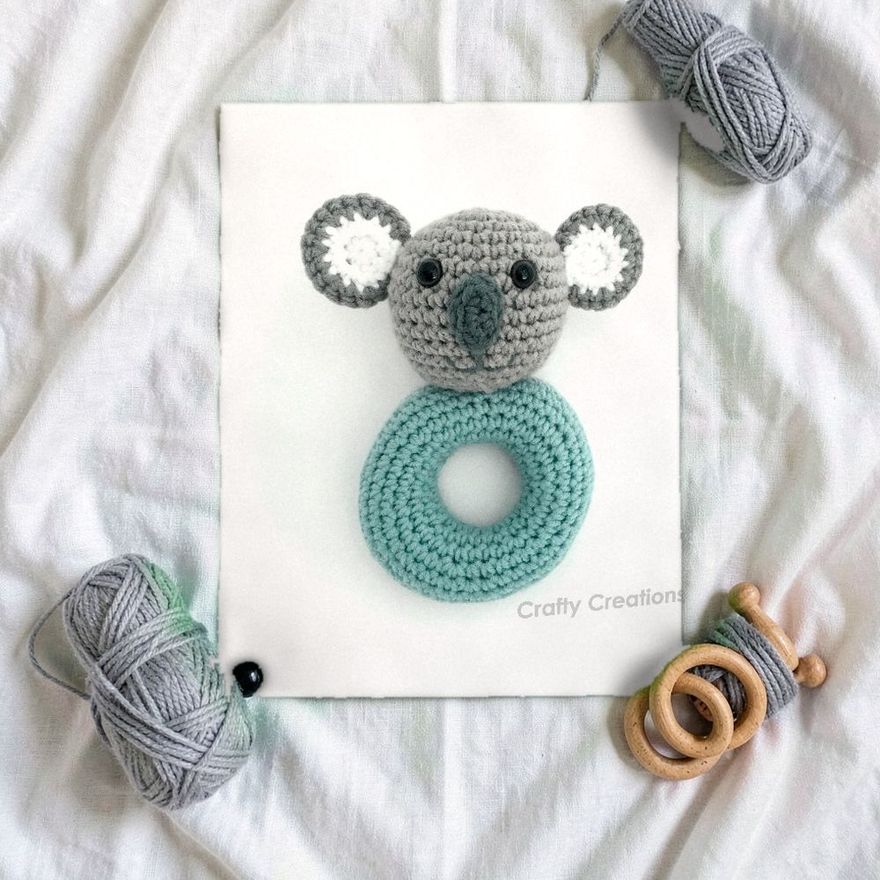
Koala Rattle Crochet Pattern
See the listing ↗
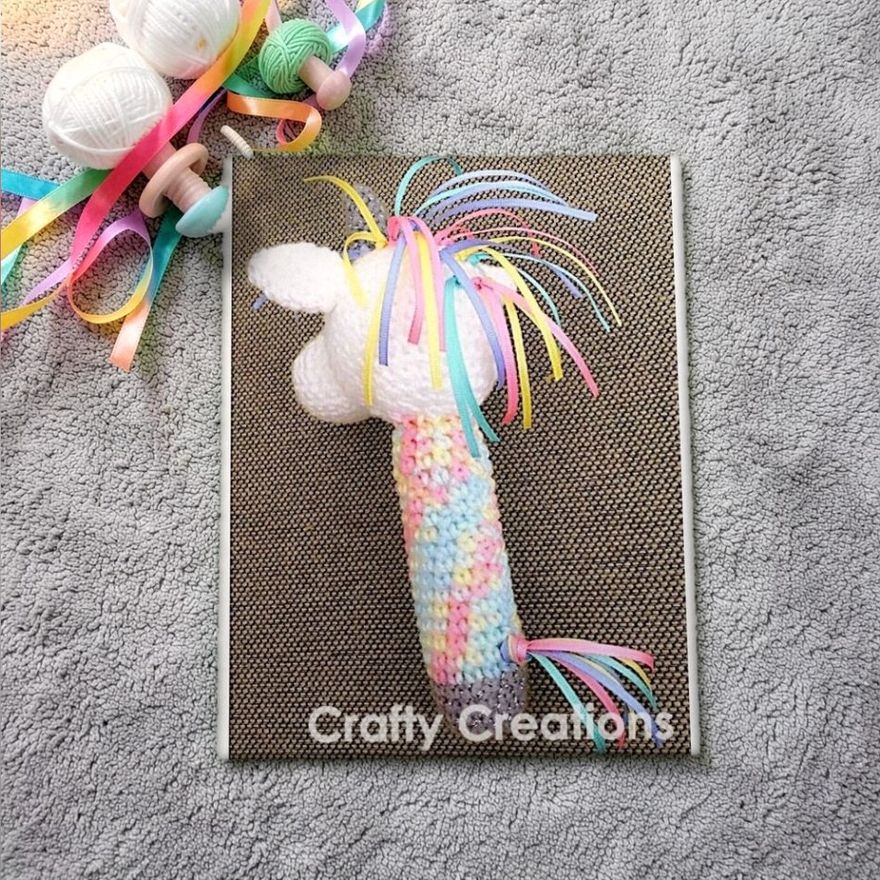
Unicorn Rattle Crochet Pattern
See the listing ↗
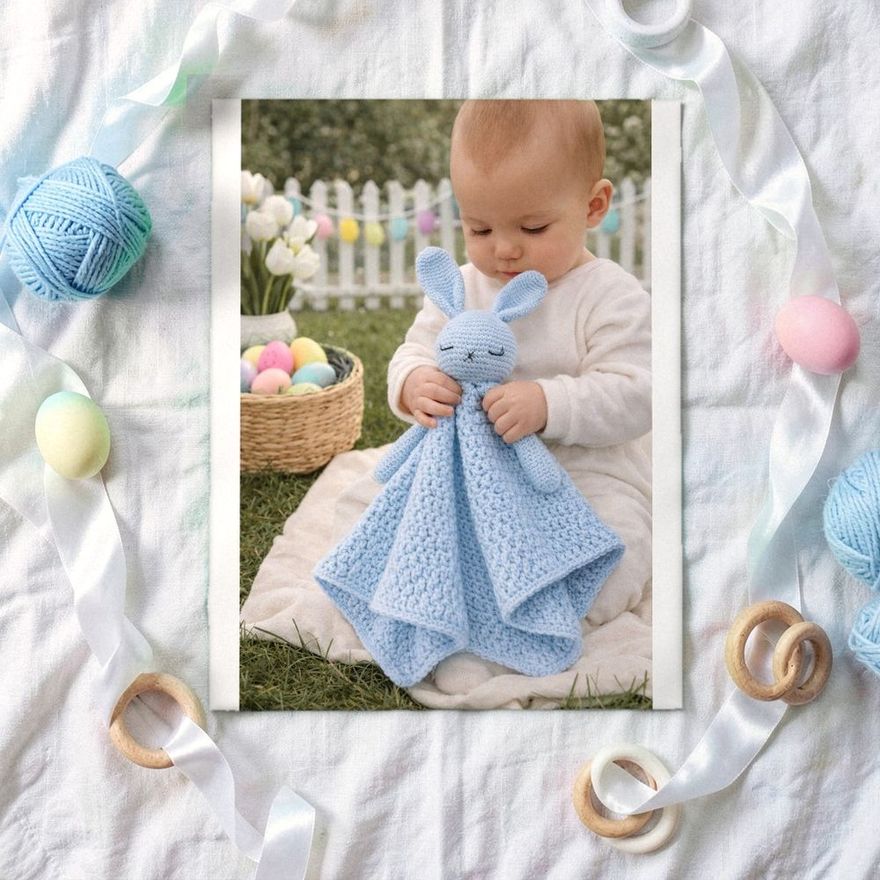
Beginner Crochet Rabbit Lovey Pattern
See the listing ↗From the collection Crochet Baby Toys & Loveys. New Creative Fabrica members get 10 free downloads, and any of these can be one of them.
For animals that will sit on a shelf more than in a toddler's arms, any yarn works, and an occasional dusting or spot clean will do.

Fox Crochet Pattern Amigurumi Pdf
See the listing ↗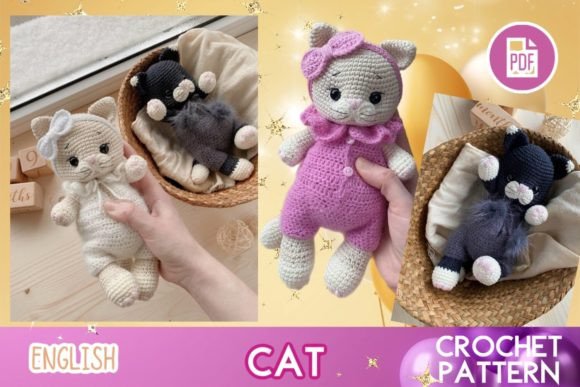
Cute Cat Crochet Amigurumi PDF Pattern
See the listing ↗
Flamingo Crochet Pattern Amigurumi Pdf
See the listing ↗From the collection Amigurumi Animal Patterns. New Creative Fabrica members get 10 free downloads, and any of these can be one of them.
Washing and Restuffing Supplies
Machine washing a toy calls for a mesh bag and a mild detergent. Fresh fiberfill is for the toy that comes out flat after years of washing.
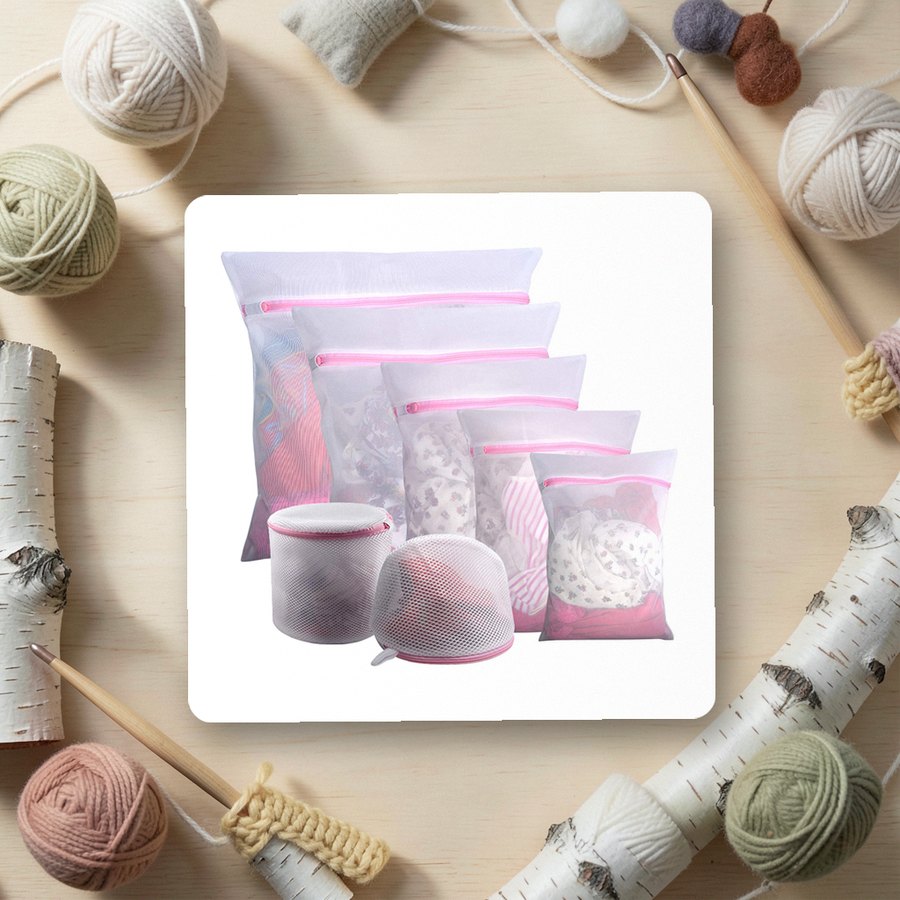 Mesh laundry bags for delicatesGOGOODASee it on Amazon
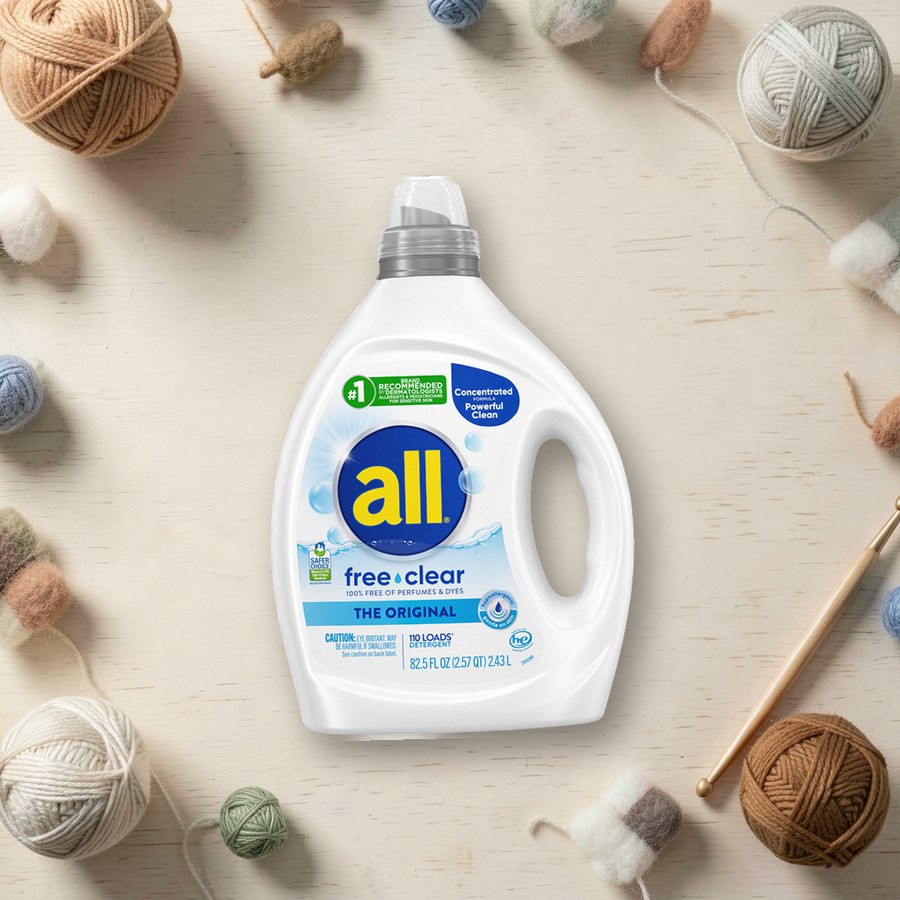 Fragrance-free liquid laundry detergentallSee it on Amazon
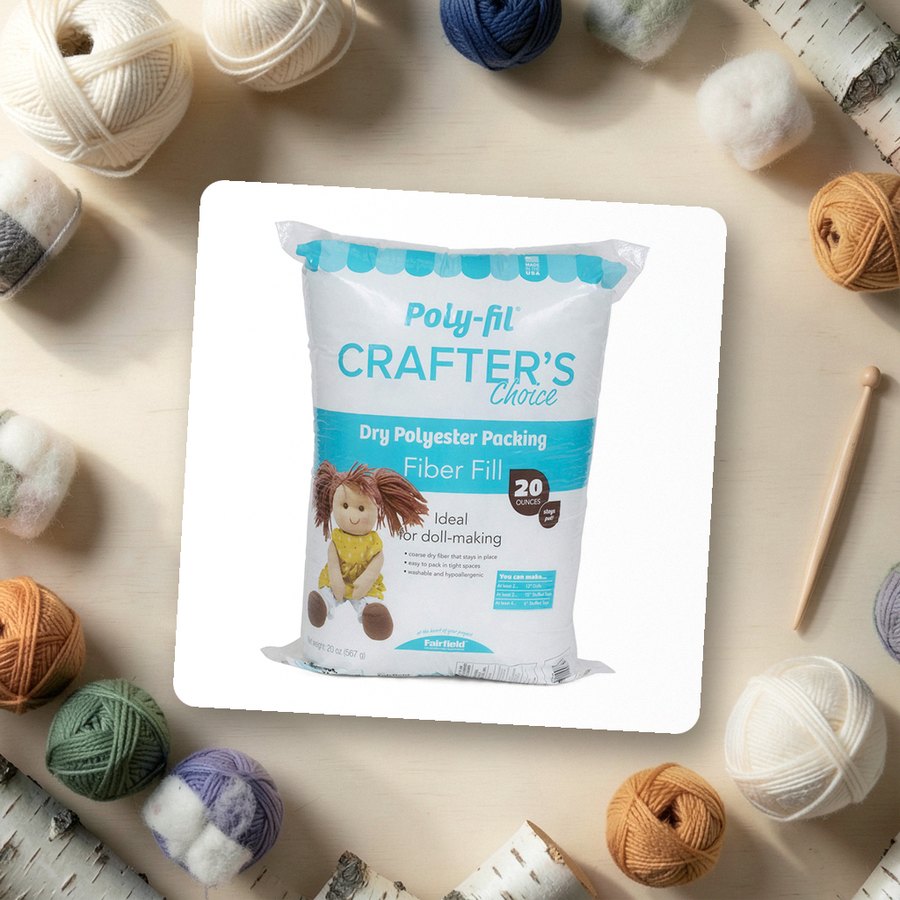 Polyester fiberfill stuffingPoly-FilSee it on Amazon
As an Amazon Associate we earn from qualifying purchases.
Make a Care Card
When you give a crochet toy as a gift, add a small card with the yarn name, fiber and a one-line care note, such as "hand wash cool, squeeze, air dry." It saves the new owner guessing. For help choosing a washable yarn for the next toy, see the best yarn for amigurumi, and if you are still learning the basics, start with amigurumi for beginners.
Patterns That Go With This Guide
 Crochet Baby Toys & Loveys8 hand-picked · open the collection →
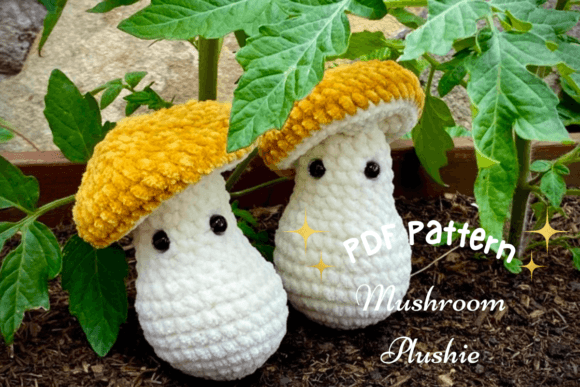 Amigurumi Animal Patterns22 hand-picked · open the collection →


