The best crochet keychains are tiny amigurumi: a ball-shaped animal, a piece of fruit, a flower or a heart, worked tightly in a light yarn and sewn to a sturdy metal ring with the yarn tail. Each one is finished in an evening, uses leftover yarn, and teaches the same skills as a full-size toy. Below are twenty ideas grouped by theme, followed by the practical parts: how to attach the hardware so it never pulls off and how to make a dozen at once for gifts or a craft table.
Why Keychains Are Good Practice
A keychain is a full amigurumi in miniature. It starts with a magic ring, grows with increases, shrinks with decreases and gets stuffed and closed. The difference is scale. You see the whole shape after a few rounds, so mistakes are quick to spot and cheap to redo.
They also use up yarn. A tiny animal or fruit needs very little, so the half-balls left over from larger toys are enough. The pattern's materials list will say how much each color takes; small color details often need only a yard or two.
Animals
Round-bodied animals are the classic keychain. Most are a single ball or egg shape with ears and a face added.
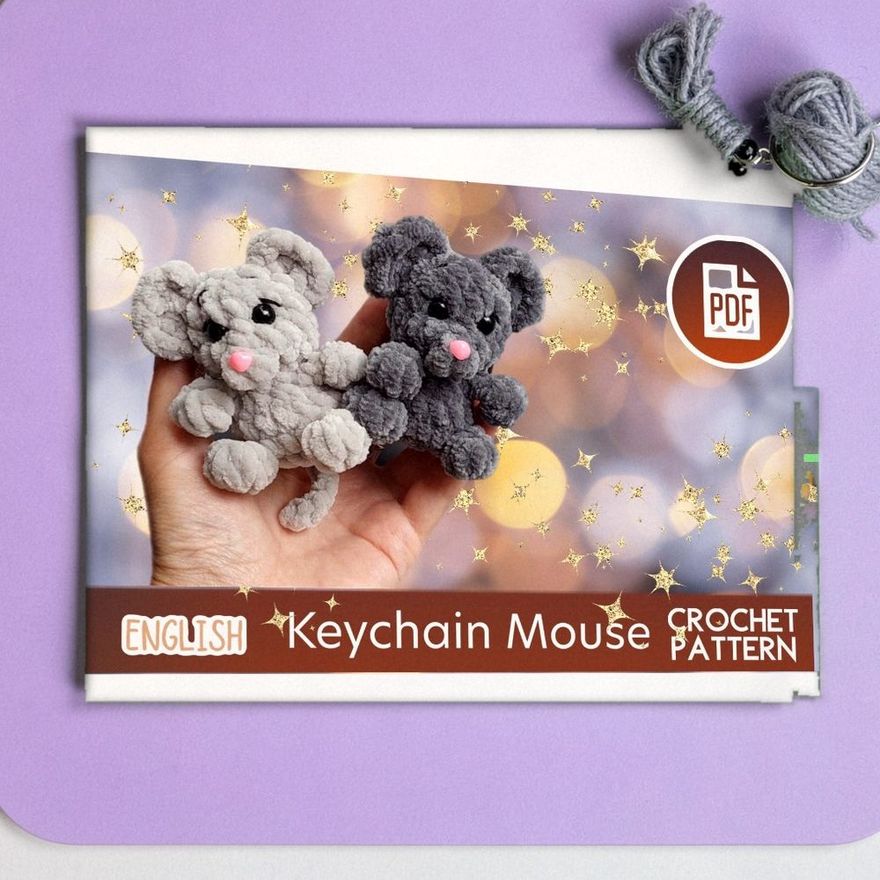
- Mouse. A teardrop body with round ears and a long thin tail.
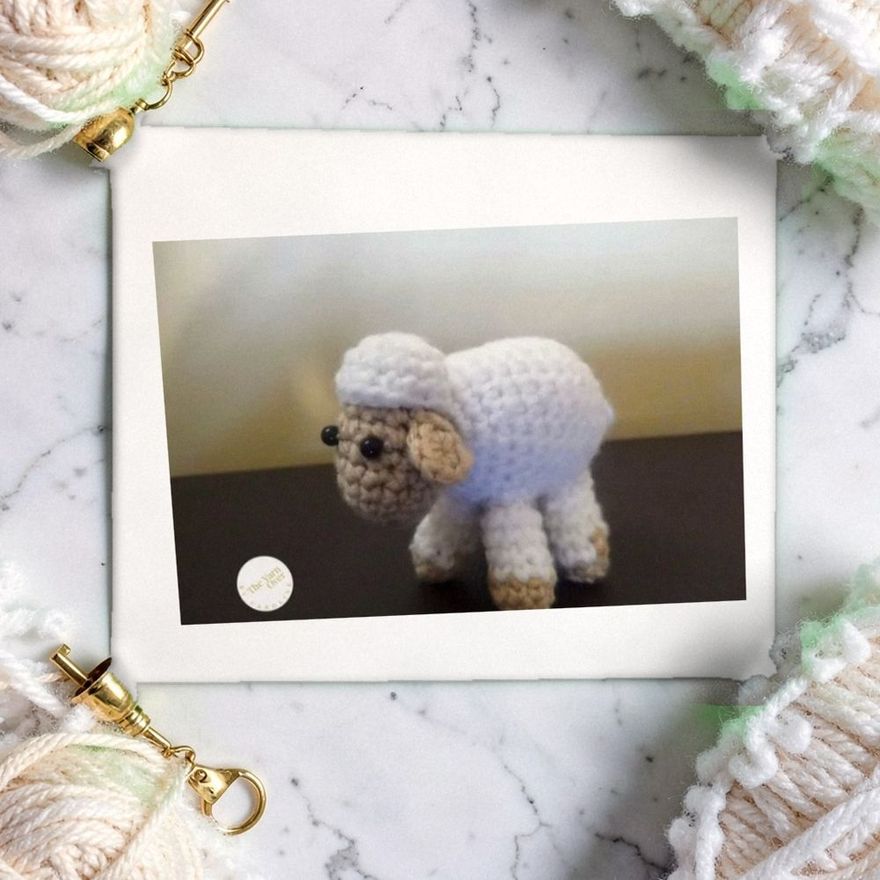
- Sheep. A round body in a textured or bouclé-look yarn with a smooth face.
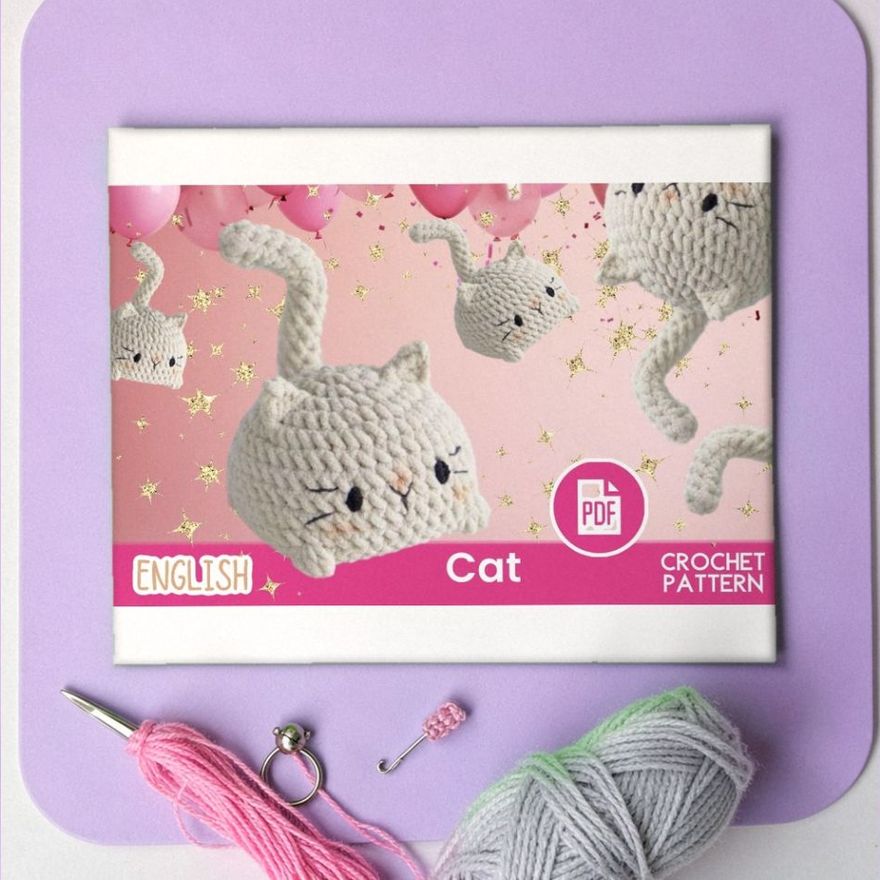
- Cat. A ball head with two pointed ears; stripes are easy color changes.
- Dog. Floppy ears sewn flat to the sides of the head.
- Fox. Orange body, white muzzle and the tip of the tail in white.
- Bunny. Long ears, which can carry a little wire for older owners, or be left floppy.
- Chick or duck. A yellow ball with a small beak and two flat wings.
- Bee. Yellow and black stripes worked in the round, with small wings sewn on.
Mice, sheep and cats are among the most recognizable at keychain size, since their shapes read clearly even when small.

Little Mouse / Keychain / PDF Amigurumi
See the listing ↗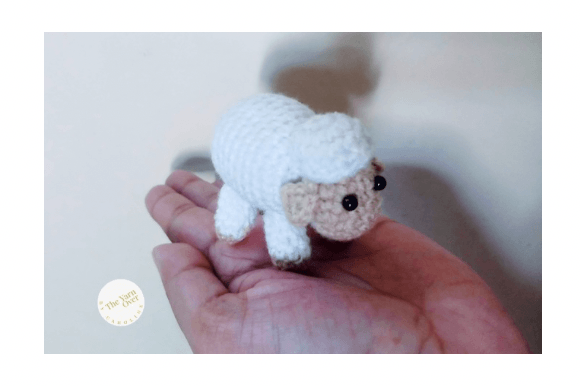
Mini Sheep: Amigurumi Crochet Pattern
See the listing ↗
Crochet Cat Kitty / Amigurumi / Keychain
See the listing ↗From the collection Crochet Keychain Toys. New Creative Fabrica members get 10 free downloads, and any of these can be one of them.
Dogs, foxes and frogs follow the same construction, with a different color scheme and ears:

Crochet Dog Keychain / Amigurumi PDF
See the listing ↗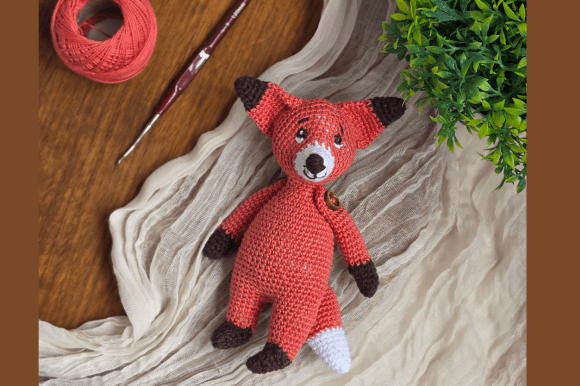
Mini Fox Amigurumi Crochet Pattern PDF🦊
See the listing ↗
Crochet Frog Donut Keychain /Toy Pattern
See the listing ↗From the collection Crochet Keychain Toys. New Creative Fabrica members get 10 free downloads, and any of these can be one of them.
Food and Sweets
Food is the easiest group for beginners, because the shapes are simple and nobody expects them to have a face, although many people give them one.
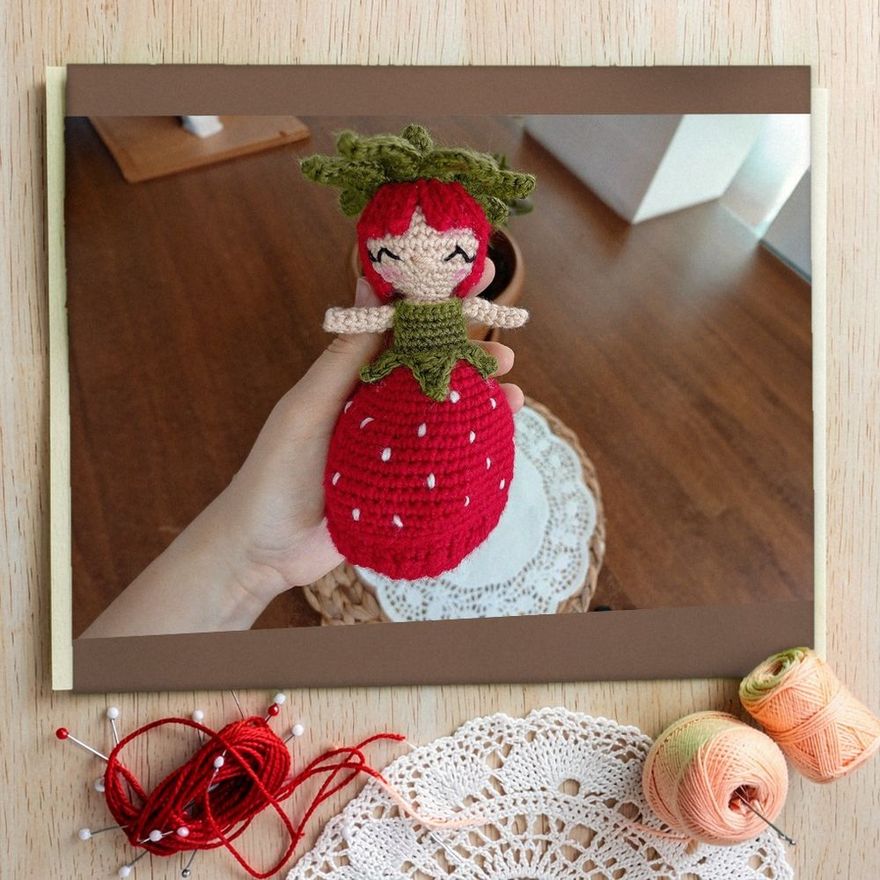
- Strawberry. A red cone with a green leaf on top. Seeds can be embroidered in yellow or white.
- Berry pie. A shallow cup with a lattice or berry topping.
- Donut. A short tube closed into a ring, with a "frosting" layer worked in a second color.
- Avocado half. Two shades of green and a brown ball for the pit.
- Cupcake. A cup in back loops for the ridged wrapper, and a swirled top.
- Mini taco or burger. Stacked color layers; a good use of scraps.
A strawberry and a pie are quick color-change practice, and the flower keychain beside them leads into the next group:
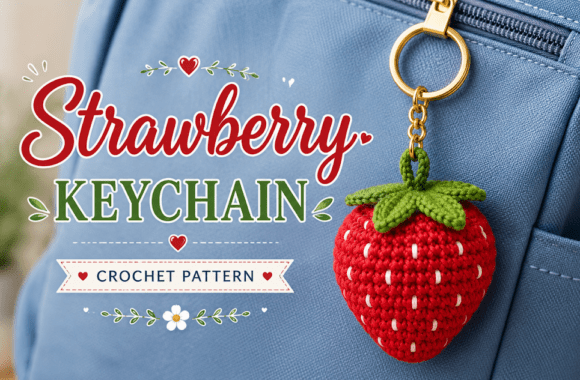
Strawberry Keychain Crochet Pattern
See the listing ↗
Crochet Mini Berry PIE / PDF / Amigurumi
See the listing ↗
Flower Keychain Crochet Pattern
See the listing ↗From the collection Crochet Keychain Toys. New Creative Fabrica members get 10 free downloads, and any of these can be one of them.
Flowers and Plants
Flowers are usually worked flat, so they are thinner and lighter on a key ring.
- Daisy or simple five-petal flower. One round of petals around a contrasting center, often with a matching flower on the back so both sides look finished.
- Mushroom. A domed cap with spots and a short stalk; very stable as a stuffed shape.
- Potted cactus. A green cylinder in a terracotta-colored pot.
Hearts and Simple Shapes
These need almost no assembly, which makes them ideal for batches.
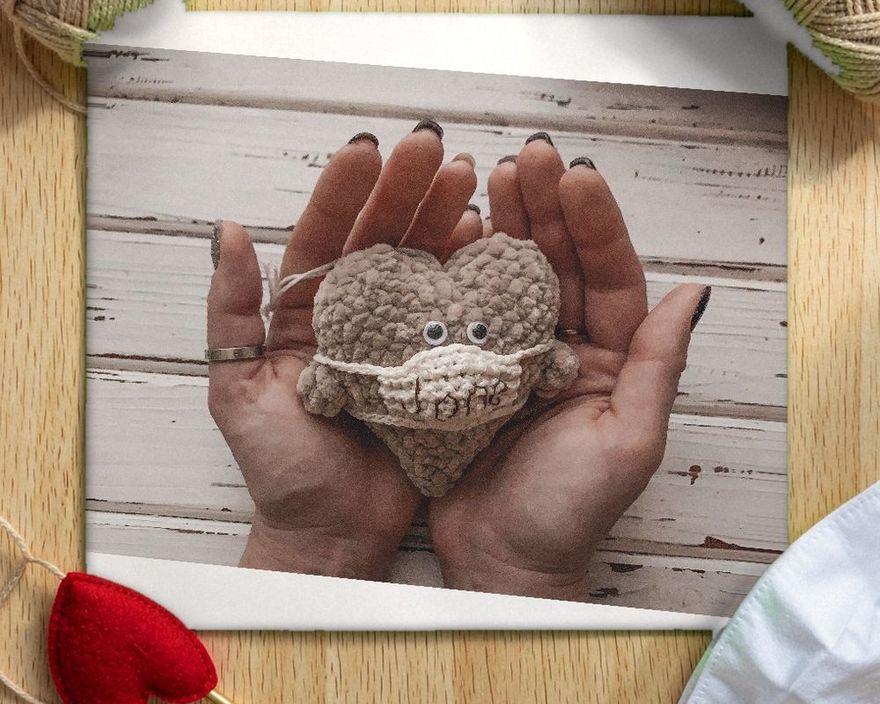
- Puffy heart. Two small cups joined into one stuffed heart.
- Star. Worked flat in two layers and sewn together with a little stuffing.
- Rainbow or cloud. Stripes of color around a curve, or a lumpy white cloud with a stitched smile.
Attaching the Ring So It Stays On
A keychain gets pulled, swung and stuffed into bags. The weak point is almost always where the crochet meets the metal.
- Use a split ring or a keyring with a chain. A split ring is a flat coil of steel that closes on itself. Open jump rings are fine for jewelry but can be pried open by a heavy key.
- Make a yarn loop rather than threading the ring through a single stitch. Before closing the top of the piece, or after, take the yarn tail through several stitches at the top, pass it through the ring, and back through the top of the piece. Do this three or four times so several strands share the load.
- Alternatively, crochet a short chain at the top, work it into a loop through the ring, and sew the end firmly into the body.
- Bury the ends. Pull the tail through the body in several directions and trim it close, so it pulls back inside.
Test it before you call it done. Hold the toy and give the ring a firm tug. If the yarn loop stretches or the top of the toy pulls out of shape, add more strands.
For bag charms, a lobster clasp or a clip-on ring in place of the split ring makes it easy to move the charm from bag to bag. Attach it the same way.
Making a Batch Efficiently
If you want a dozen keychains for gifts or a craft table, work in stages instead of finishing them one by one:
- Crochet all the main bodies first, in one color at a time, so you are not constantly switching yarn and hooks.
- Make all the small parts next: ears, leaves, wings. Keep each toy's parts in a small bag or a muffin tin.
- Insert eyes and stuff in one session, then close all the pieces.
- Sew on parts and attach rings last.
Working this way, your tension stays consistent across the batch, so the toys come out the same size. Write down your hook size and any changes you made so you can repeat them later.
Choose a yarn that holds its shape at small scale. Smooth cotton gives the crispest little shapes; acrylic is softer and lighter. The best yarn for amigurumi compares them.
Who the Keychain Is For
A keychain is not a baby toy. The metal ring, the small size and any plastic eyes make it unsuitable for young children; safety eye instructions themselves say not to use them on anything for children under 3. If a little child might end up holding one, give them a larger toy with embroidered eyes instead. Safety eyes and toy safety explains the reasons.
If you plan to sell keychains, that article also has general notes on the US rules for children's products. Whatever the buyer, keep plastic eyes firmly locked and every part sewn on.
Rings, Clasps and Small Eyes
The metal part is what turns a tiny toy into a keychain. Split rings are the default, and a swivel clasp suits a bag charm that moves from bag to bag.
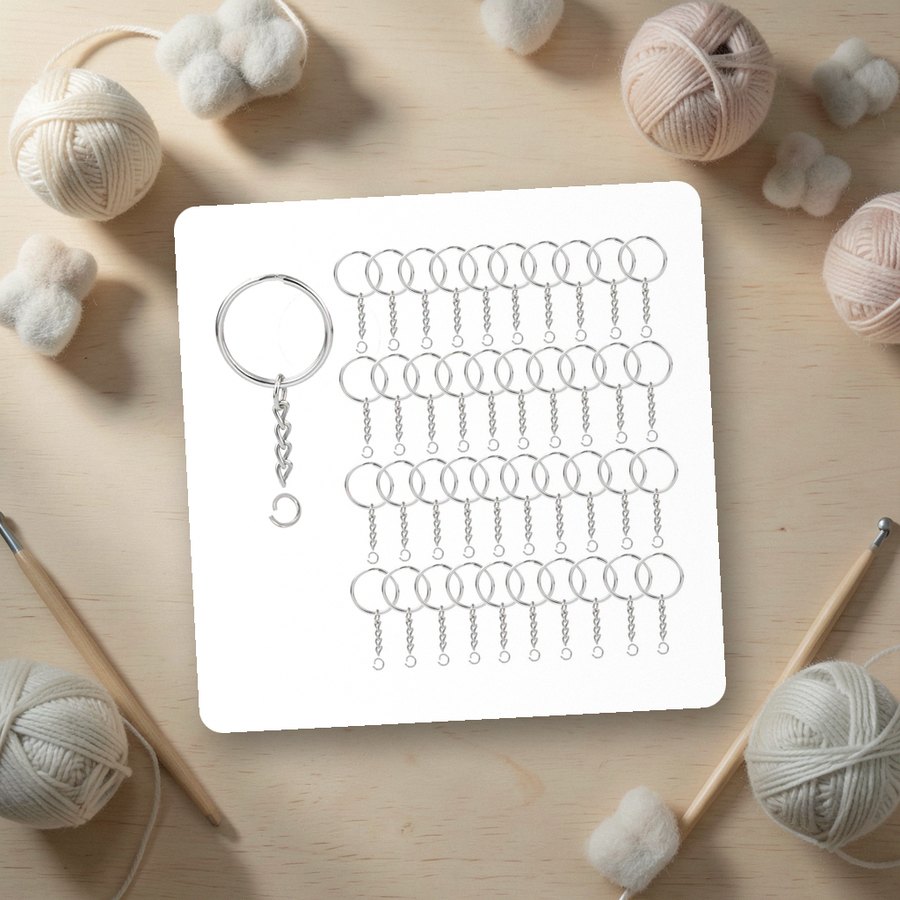 Split key rings with chainKANSPHYSee it on Amazon
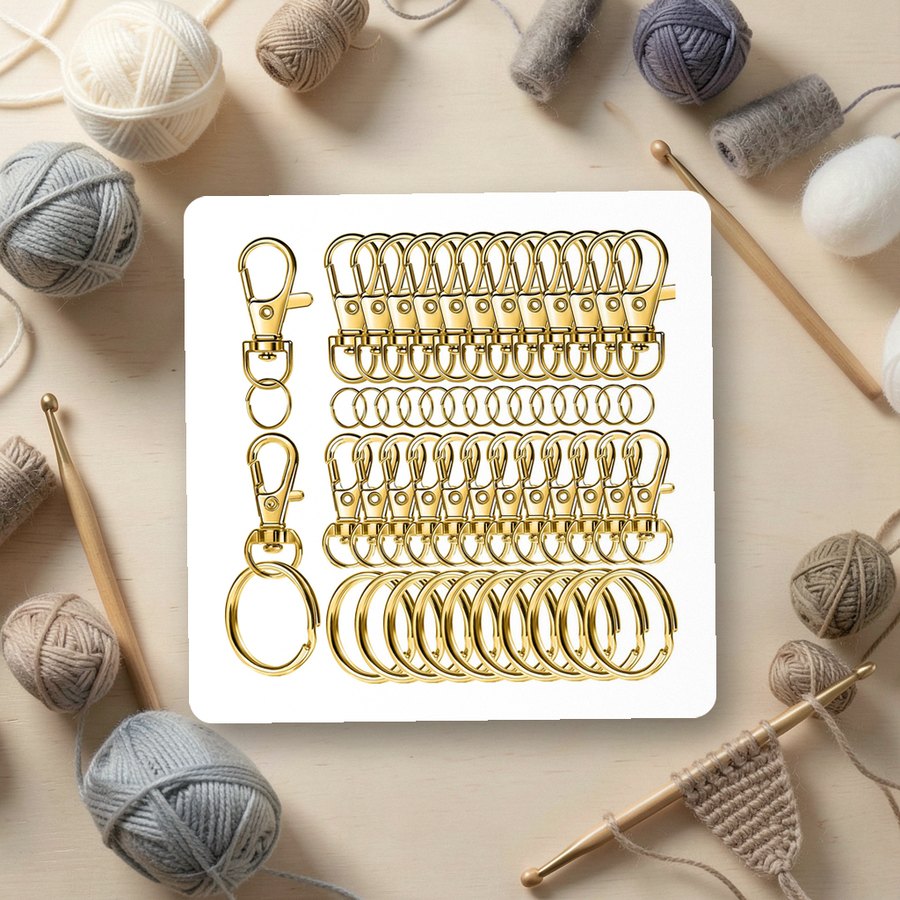 Swivel clasps with key ringsLEOBROSee it on Amazon
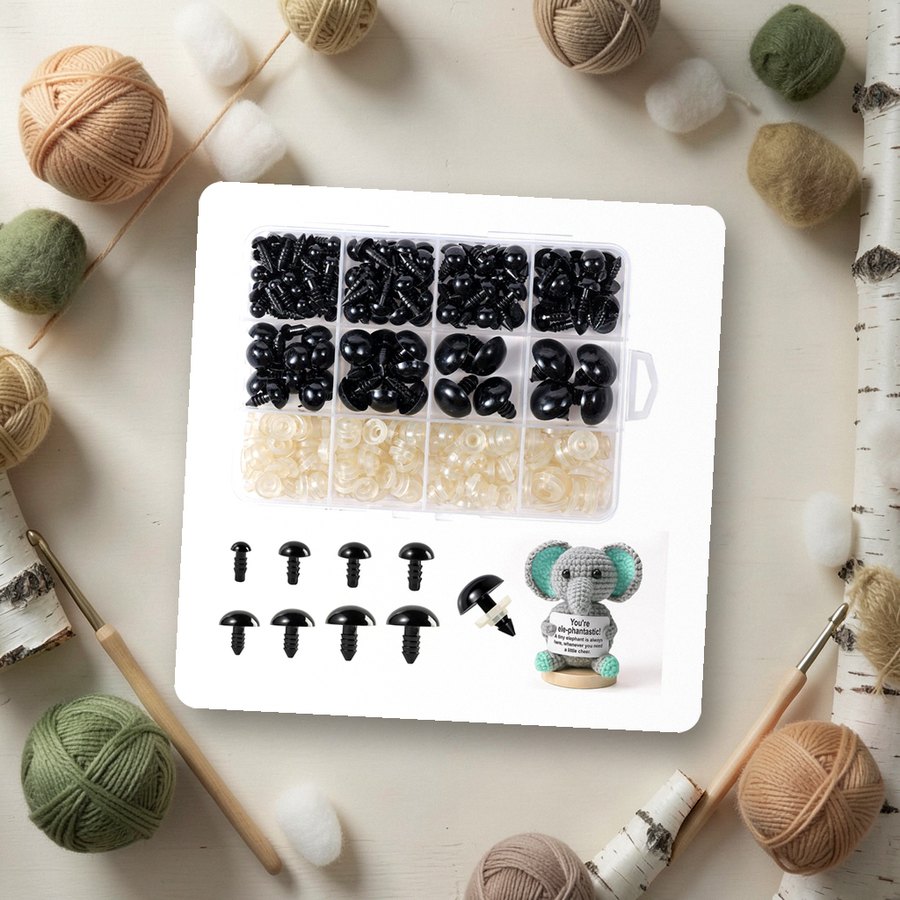 Safety eyes, 6 to 18 mmXKDOUSSee it on Amazon
As an Amazon Associate we earn from qualifying purchases.
Pick Your First Three
Choose one animal, one food and one shape from the list, and make them in the same evening session to see how differently each is built. If any of the rounds or abbreviations are new, crochet stitches for amigurumi covers everything a keychain uses, and the whole crochet keychain toys collection is there when you want more.
Patterns That Go With This Guide
Crochet Keychain Toys9 hand-picked · open the collection →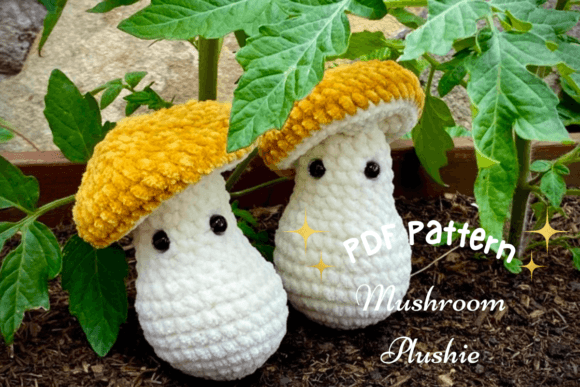 Amigurumi Animal Patterns22 hand-picked · open the collection →